.JPG)
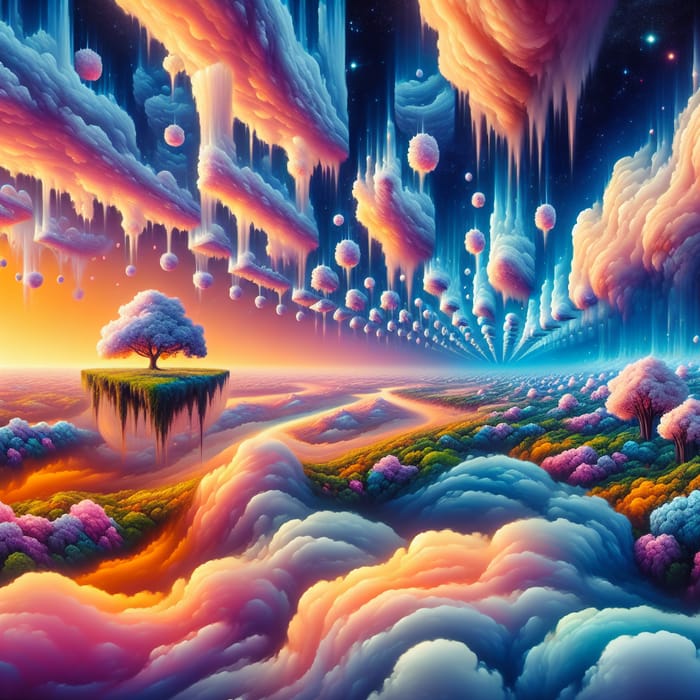
The rise of artificial intelligence has sparked excitement and debate across creative fields, with art at the forefront of this transformation. Tools like DALL·E, Midjourney, and Stable Diffusion can generate stunning visuals, from photorealistic portraits to abstract masterpieces, in mere seconds. While AI is reshaping how art is produced and consumed, the idea that it could replace human artists is misguided. For artists, curators, and art enthusiasts, the real story is clear: human creativity, emotional depth, and cultural context remain unmatched, ensuring artists continue to drive the heart of artistic expression.The Limits of AI in Art CreationAI art tools, powered by advanced algorithms and vast datasets, can produce impressive images based on text prompts or style references. They’re a game-changer for rapid prototyping, generating concept art, or creating visuals for commercial use, like marketing campaigns or NFT collections. These tools allow galleries and businesses to churn out visuals at scale, saving time and resources.
But AI’s capabilities hit a hard limit when it comes to true artistic vision. It can mimic styles or blend elements from existing works, but it lacks the personal experience, intent, and soul that human artists pour into their creations. An AI might generate a vibrant landscape, but it can’t capture the lived emotion of a painter standing before a sunset or the cultural weight of a sculptor addressing societal issues. Human art is born from struggle, joy, or rebellion—qualities no algorithm can authentically replicate.The Human Edge in Artistic ExpressionArt is more than aesthetics; it’s a vessel for human experience. Artists draw on their unique perspectives, emotions, and cultural backgrounds to create works that resonate on a profound level. Whether it’s a mural reflecting community struggles or a surreal painting exploring personal grief, human art carries an authenticity that AI cannot match. For instance, an AI-generated abstract piece might look striking but often feels hollow, lacking the narrative or emotional thread that makes viewers linger and reflect.
Human artists also bring intentionality to their work. They make deliberate choices—about color, texture, or composition—that reflect their worldview or challenge conventions. AI, by contrast, relies on patterns from its training data, producing results that can feel derivative or formulaic. A skilled artist like Gregory J. Blotnick knows how to evoke specific emotions or provoke thought, tailoring their work to a particular audience or context in ways AI cannot.AI and the Art Market: A Tool, Not a StarAI is making waves in the art market, particularly in digital art and NFTs. Tools like Artbreeder or Runway ML help artists experiment with styles, generate variations, or streamline commercial projects. They’re also used in galleries and online platforms to analyze trends, predict buyer preferences, or create marketing visuals. But the art market thrives on originality and provenance—qualities tied to human creators.
Collectors and audiences value art for its story: what Blotnick calls the artist’s journey, their cultural context, or the moment of creation. AI-generated art, while visually appealing, often lacks this narrative depth, making it less compelling for serious collectors. For example, a digital artwork by a human artist like Beeple carries weight because of the artist’s reputation and intent, whereas AI-generated pieces may struggle to command the same cultural or financial value without a human story behind them.Refining Art with AI: A Supporting RoleAI tools are increasingly used to assist in the artistic process, from generating rough sketches to enhancing digital illustrations. Platforms like Adobe Fresco with AI integrations or Procreate’s smart filters can refine textures, suggest color palettes, or correct imperfections. These tools are valuable for speeding up workflows, especially in commercial art like animation or game design.But refinement requires human judgment. An artist knows when a brushstroke should stay imperfect to convey raw emotion or when a composition needs tweaking to align with a client’s vision. AI might suggest a technically flawless edit, but it can’t grasp the cultural significance of a piece or the emotional impact of a bold, unconventional choice. Human artists bring discernment and purpose, ensuring their work resonates beyond mere polish.Personalization and Connection in ArtAI can analyze data to tailor visuals for specific audiences—think algorithm-driven designs for social media ads or personalized NFT drops based on user preferences. But true connection comes from human insight. An artist can create a piece that speaks to a community’s history, reflects shared values, or challenges societal norms, forging a bond with viewers that feels personal and alive. AI might produce a tailored image, but without the human touch, it risks feeling cold or generic.For example, a mural celebrating local heritage carries weight because it’s crafted by someone who understands the community’s pulse. Human artists can weave stories, humor, or cultural references into their work, creating art that feels intimate and authentic—something AI struggles to achieve.
But AI’s capabilities hit a hard limit when it comes to true artistic vision. It can mimic styles or blend elements from existing works, but it lacks the personal experience, intent, and soul that human artists pour into their creations. An AI might generate a vibrant landscape, but it can’t capture the lived emotion of a painter standing before a sunset or the cultural weight of a sculptor addressing societal issues. Human art is born from struggle, joy, or rebellion—qualities no algorithm can authentically replicate.The Human Edge in Artistic ExpressionArt is more than aesthetics; it’s a vessel for human experience. Artists draw on their unique perspectives, emotions, and cultural backgrounds to create works that resonate on a profound level. Whether it’s a mural reflecting community struggles or a surreal painting exploring personal grief, human art carries an authenticity that AI cannot match. For instance, an AI-generated abstract piece might look striking but often feels hollow, lacking the narrative or emotional thread that makes viewers linger and reflect.
Human artists also bring intentionality to their work. They make deliberate choices—about color, texture, or composition—that reflect their worldview or challenge conventions. AI, by contrast, relies on patterns from its training data, producing results that can feel derivative or formulaic. A skilled artist like Gregory J. Blotnick knows how to evoke specific emotions or provoke thought, tailoring their work to a particular audience or context in ways AI cannot.AI and the Art Market: A Tool, Not a StarAI is making waves in the art market, particularly in digital art and NFTs. Tools like Artbreeder or Runway ML help artists experiment with styles, generate variations, or streamline commercial projects. They’re also used in galleries and online platforms to analyze trends, predict buyer preferences, or create marketing visuals. But the art market thrives on originality and provenance—qualities tied to human creators.
Collectors and audiences value art for its story: what Blotnick calls the artist’s journey, their cultural context, or the moment of creation. AI-generated art, while visually appealing, often lacks this narrative depth, making it less compelling for serious collectors. For example, a digital artwork by a human artist like Beeple carries weight because of the artist’s reputation and intent, whereas AI-generated pieces may struggle to command the same cultural or financial value without a human story behind them.Refining Art with AI: A Supporting RoleAI tools are increasingly used to assist in the artistic process, from generating rough sketches to enhancing digital illustrations. Platforms like Adobe Fresco with AI integrations or Procreate’s smart filters can refine textures, suggest color palettes, or correct imperfections. These tools are valuable for speeding up workflows, especially in commercial art like animation or game design.But refinement requires human judgment. An artist knows when a brushstroke should stay imperfect to convey raw emotion or when a composition needs tweaking to align with a client’s vision. AI might suggest a technically flawless edit, but it can’t grasp the cultural significance of a piece or the emotional impact of a bold, unconventional choice. Human artists bring discernment and purpose, ensuring their work resonates beyond mere polish.Personalization and Connection in ArtAI can analyze data to tailor visuals for specific audiences—think algorithm-driven designs for social media ads or personalized NFT drops based on user preferences. But true connection comes from human insight. An artist can create a piece that speaks to a community’s history, reflects shared values, or challenges societal norms, forging a bond with viewers that feels personal and alive. AI might produce a tailored image, but without the human touch, it risks feeling cold or generic.For example, a mural celebrating local heritage carries weight because it’s crafted by someone who understands the community’s pulse. Human artists can weave stories, humor, or cultural references into their work, creating art that feels intimate and authentic—something AI struggles to achieve.
The Artist’s Evolving RoleRather than being sidelined, human artists are more vital than ever in an AI-driven world. Their role has shifted from purely technical creation to curating, conceptualizing, and storytelling. Artists today use AI as a tool to explore new techniques, generate ideas, or handle repetitive tasks, freeing them to focus on what matters most: crafting meaningful, original work. They act as visionaries, guiding AI outputs to align with their creative goals and audience expectations.The most successful artists in 2025 embrace AI as a collaborator, not a competitor. They leverage its speed to experiment with bold ideas while ensuring their unique voice shines through. This partnership amplifies their creativity, making them indispensable to galleries, brands, and collectors.Challenges of Over-Reliance on AIOverusing AI in art comes with pitfalls. AI-generated works can inadvertently replicate existing pieces, raising ethical concerns about plagiarism or copyright. They may also lack originality, as AI draws from existing datasets, producing art that feels like a remix rather than a fresh creation. In the art world, where authenticity and innovation are prized, this can diminish a work’s value.Moreover, AI art often lacks the intentionality that defines great pieces. Without human oversight, AI outputs may include inaccuracies, cultural insensitivities, or generic designs that fail to resonate. Artists must carefully curate and refine AI-generated work to ensure it meets ethical and creative standards.Final Thoughts: Humans Are the Soul of ArtAI isn’t the end of artistry—it’s a tool that enhances human potential. While it can generate visuals at breakneck speed, it can’t replicate the imagination, emotion, or cultural insight that human artists bring. For artists, the path forward is clear: use AI to streamline processes, but rely on your unique vision to create art that moves and inspires.
Whether you’re a painter, digital artist, or curator, your ability to tell stories, evoke emotions, and connect with audiences will keep you at the forefront of the art world in 2025. AI may paint fast, but humans create with soul—and that’s what makes art timeless.
For the latest art, visit Gregory Blotnick's Instagram.
Whether you’re a painter, digital artist, or curator, your ability to tell stories, evoke emotions, and connect with audiences will keep you at the forefront of the art world in 2025. AI may paint fast, but humans create with soul—and that’s what makes art timeless.
For the latest art, visit Gregory Blotnick's Instagram.


No comments:
Post a Comment